Short answer: Yes—very likely more balanced in 2026, but not uniformly.
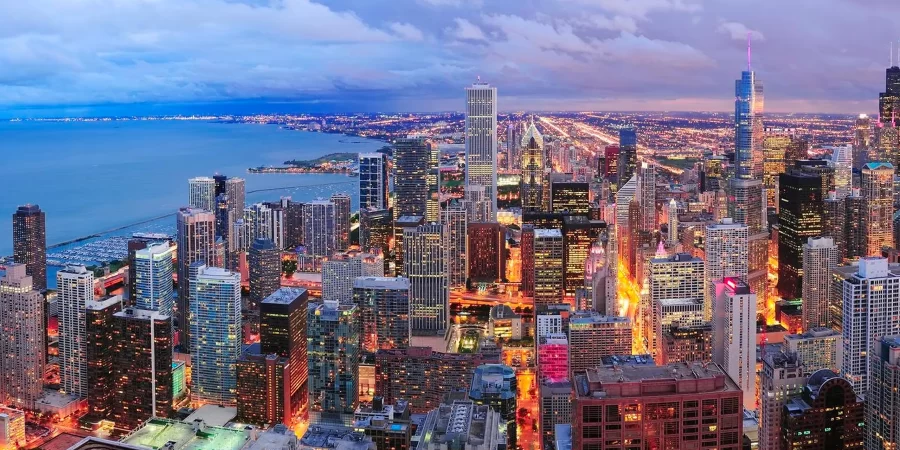
The Downtown Loop and Near North neighborhoods (River North, Streeterville, Gold Coast) are on track to become more balanced markets in 2026, meaning closer alignment between buyers and sellers. That said, the balance will be micro-market driven—by building, unit type, and use (owner-occupied vs. rental).
Below is a clear breakdown of why balance is improving, where it will happen first, and where challenges remain.
Why Downtown Chicago Is Moving Toward Balance in 2026
1. Pricing Has (Mostly) Reset to Reality
From 2021–2024, downtown condos—especially in the Loop and older Near North towers—went through a slow correction:
- Overpricing worked itself out
- Sellers adjusted expectations
- Buyers became more selective and analytical
By 2026, many buildings will have already absorbed their pricing correction, which is a key prerequisite for balance.
👉 Balanced markets don’t require appreciation—just realistic pricing and steady demand.
2. Sales Volume Is Improving, Even If Prices Aren’t Booming
A balanced market is driven more by transaction flow than headline price growth.
What’s changing:
- Buyers are re-entering as rates stabilize (even if still elevated)
- Investors are selectively returning for value plays
- Second-home and pied-à-terre buyers are back in the Near North
This supports shorter days on market for well-priced units, even if prices remain flat.
3. Office-to-Residential Conversions Help the Loop Specifically
The Loop has lagged the Near North in recovery—but 2026 is where that gap starts to narrow.
Office-to-residential conversions:
- Add residents, not just units
- Increase foot traffic and retail viability
- Shift the Loop from “office-centric” to mixed-use residential
This doesn’t flood the market overnight, but it improves demand fundamentals, which supports balance.
4. Rental Stability Supports Condo Demand
Rents in core downtown neighborhoods have held relatively steady, which:
- Improves investor underwriting
- Makes “rent vs. buy” comparisons more favorable
- Reduces panic selling by condo owners
Balanced markets thrive when owners aren’t forced sellers—and that pressure is easing.
Where Balance Will Happen First
✅ Near North (River North, Streeterville, Gold Coast)
These areas are closer to balance already.
Why:
- Lifestyle-driven demand (walkability, dining, lakefront)
- Strong appeal to out-of-state buyers
- Better-performing luxury and newer buildings
By 2026:
Expect many Near North submarkets to behave like true buyer–seller equilibrium zones:
- Negotiation exists, but no fire sales
- Correctly priced units sell
- Overpriced units still sit
⚠️ The Loop (Still Uneven, but Improving)
The Loop is on a delayed recovery timeline, but momentum is real.
What’s improving:
- Conversion projects
- Growing residential identity
- Better absorption of discounted inventory
What still limits balance:
- Large, older condo buildings
- High assessments
- Investor-heavy ownership in some towers
By late 2026:
Expect parts of the Loop to feel balanced—but building selection matters more here than anywhere else downtown.
Where the Market Will Still Feel Unbalanced
Even in 2026, some segments will lag:
- Older luxury towers with high HOAs
- Buildings with pending or recent special assessments
- Units competing directly with newer rental product
- Poorly managed associations
These pockets will remain buyer-leaning, even if the broader area stabilizes.
Bottom Line
Yes, downtown Chicago—especially the Near North—should feel more balanced in 2026, but not across the board.
Think of 2026 as:
- A normalization year, not a boom
- A market where good properties sell and bad ones don’t
- A shift from “citywide narratives” to hyper-local decision-making